

Sleep · 5 min read
How to Pick a Memory Foam Pillow Without Trying It First
You cannot squeeze a pillow through a screen. Use your sleep position, the fill type and a few labels to choose well.
Read articleBuying guide · 5 min read
Subscriptions add up fast. Here is how to learn a new language without paying full price every month.
Learning a language is one of the best investments you can make in yourself, whether you are planning a trip, connecting with family or adding a skill to your resume. The catch is the price. Monthly plans look small, but twelve of them in a row can cost more than a weekend away. The good news: very few people need to pay the sticker price.
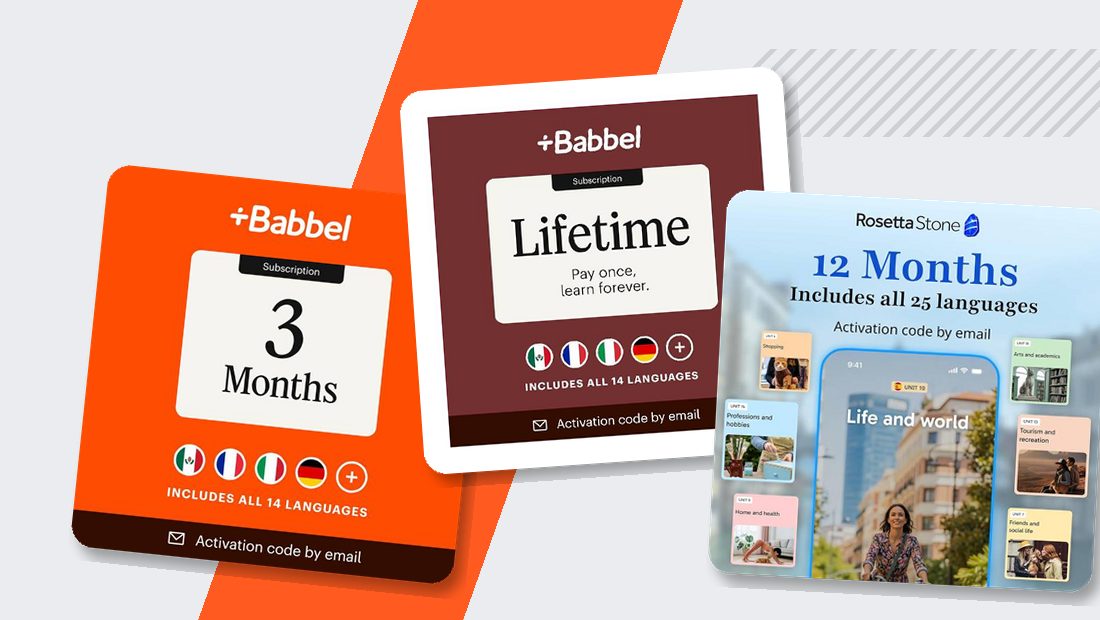
The single biggest saving usually comes from committing to a longer term. A three-month plan costs less per month than paying month to month, a twelve-month plan costs less again, and a lifetime plan can pay for itself within a couple of years if you keep studying. Be honest about your habits. If you have started and stopped apps before, a short plan is a cheap way to prove the routine sticks. If you already study most days, go long.
Language apps follow a predictable sales calendar. Expect the deepest discounts around Black Friday and Cyber Monday, in the first weeks of January when resolutions peak, and again in late summer for back-to-school. If you are not in a rush, put a reminder on your calendar and wait for one of those windows.
Subscriptions bought inside a phone app often carry the app store's pricing and renew automatically. A prepaid activation code is a one-time purchase: you redeem it on the provider's website, and you are not charged again unless you choose to renew. Codes also make great gifts because they arrive by email and do not require the recipient's card details.
Most apps offer a free first lesson or a short trial. Use it to compare teaching styles. Some people love bite-size conversation drills, others prefer an immersive approach with pictures and audio. Once you know which method keeps you coming back, buy the longest plan you are confident you will use.
An app is the backbone, but it does not have to do all the work. Library language resources, podcasts for learners, subtitles on shows you already watch and a weekly chat with a language partner all build fluency at no extra cost, which means your paid plan goes further.
Answer those four questions and you will almost always end up paying less than the monthly price, and learning more.
Related products
Keep reading
Sleep · 5 min read
You cannot squeeze a pillow through a screen. Use your sleep position, the fill type and a few labels to choose well.
Read article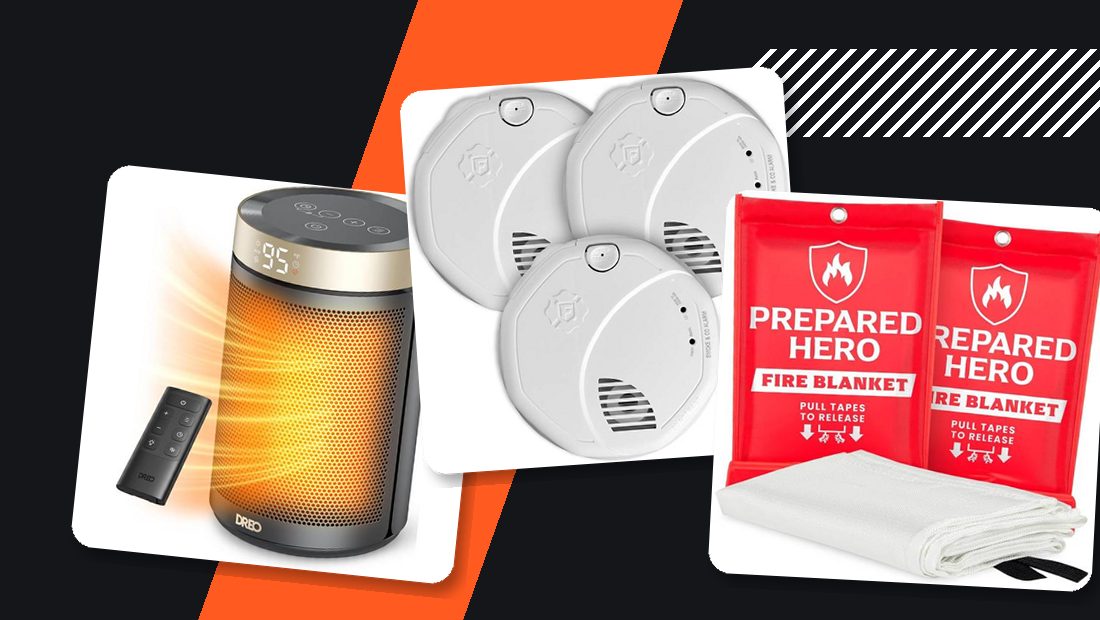
Safety · 4 min read
Portable heaters are cozy and efficient, but only when they are used with care. Run through this list every winter.
Read articleThe Quick List